Date of Birth
May 19, 1974
Union Area
Reykjavík and surrounding area
Workplace, Job and Education
Currently working on special projects at VSÓ Consulting.
Education: Journeyman's certificate in hairdressing and Office Studies I and II from MK (Menntaskóli Kópavogs).
Email: Kristjana74@gmail.com
Experience in Union Work
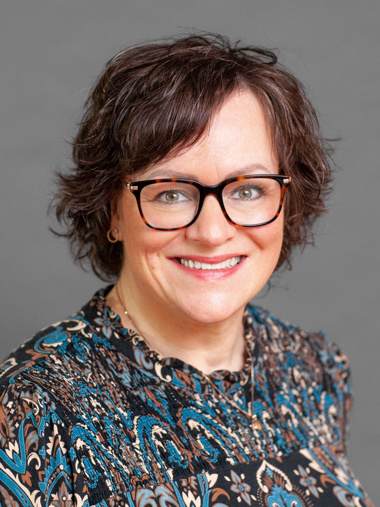
I first got involved with VR in 2006 as a shop steward. I was a member of the Consultative Council from 2007–2009 and again from 2010–2011. Then I ran for the VR board, where I served as a full board member and alternate from 2011 to 2018. I missed it and ran again in 2021. Over the years, I’ve been active in many committees within VR and ASÍ. I've served on ASÍ’s environmental committee and as an alternate on the central board — a role I hold again now. I sit on VR’s vocational education committee, Sick pay Fund executive committee, and chair both the legal committee and the grants committee.
I’ve held a wide variety of jobs over the years. I’m lucky enough to be old enough to have started working as a teenager. I went to the countryside and worked at a gas station and snack bar. I also worked in a fish processing plant and packed dried fish — which I particularly enjoyed. I spent time in the U.S. as an au pair, which was a unique experience. I worked in sales for 20 years but made a U-turn in 2022 and started on a completely new path. I now work at an engineering firm.
Key Focus Areas
Vocational training, equality, and shorter working hours are at the top of my list. As a middle-aged woman without a university degree, I feel firsthand that my opportunities in the job market are more limited than for those with higher education. That’s why I believe it's vital to offer accessible and diverse vocational education for everyone. Attending courses or shorter programs alongside work can open many doors — not to mention boost self-confidence, encouraging people to go for their dream job.
Shortening the work week is also incredibly important. It gives us more time for life outside of work. Young people today view life very differently than we did not too long ago. Work is no longer the top priority — life itself is. Of course, everyone knows we need to work, but we also need to live and enjoy life, and that’s moved up the priority list. I believe we perform better when our lives are more balanced.
In the past, people lived to work — now we work to live.